The long-term development of a country is influenced by a wide range of very much interconnected factors. Economic growth, infrastructure, education, technology, finance, energy, and many other fields each contribute to the prosperity of nations over time. The SNHL Review aims to examine each of these areas, with a focus on understanding the forces that may shape Sri Lanka’s future.
Economy
Economic growth influences living standards, employment opportunities, public finances, and long-term prosperity. China, as an example of this effect, was able to lift over 800 million people from extreme poverty between 1981 and 2020 through rapid economic growth. This field will therefore examines the forces that shape economic performance, competitiveness, productivity, investment, the broader conditions required for sustainable development, to better foster higher living standards.

Infrastructure
Infrastructure provides the physical foundation upon which economies operate and act as a multiplier for growth. Both the International Monetary Fund (IMF) and World Bank reiterate this message, with the IMF stating that a 1% increase in GDP dedicated to infrastructure investment can lead to a long-term GDP growth increase as high as 3.5% in emerging and developing countries. This is because transportation networks, utilities, ports, telecommunications, and public services all directly influence productivity, investment, connectivity, and the efficiency of economic activity.

Finance
Financial systems allocate capital throughout an economy, influencing both domestic and foreign investment, entrepreneurship, business expansion, and the long-term growth of an economy. One example that highlights the importance of building a strong financial system would be Singapore. After gaining independence in 1965, the small city state with no natural resources focused heavily on building a world-class financial system, one that would eventually become a key gateway for investors entering the Asia-Pacific market, and Singapore witnessed a corresponding rise in its living standards and the size of economy as this system continued to grow, proving how vital a strong financial system is for any economy. This field will explore financial markets, institutions, capital formation, and the role of finance.

Agriculture
Agriculture remains an important contributor to food security, rural livelihoods, and economic stability. This field examines agricultural productivity, value addition, modernization, rural development, and the changing role of agriculture within a growing economy that stills sees much of its workforce the agricultural sector. The Netherlands is an example of a country that does agriculture well. With one of the world’s highest population densities and a population only three quarters the size of Sri Lanka, the Netherlands still comfortably maintains its position as the second largest agricultural exporter in the world, only behind the United States of America, a country with a land area of roughly 9 million square kilometers compared to the 33,000 square kilometers of land area in the Netherlands.

Tourism
Tourism generates employment, attracts foreign exchange, supports a wide range of secondary industries, and forms a core part of the Sri Lankan economy. Tourism alone accounts for over $3 billion in foreign exchange earnings and supports the livelihoods of roughly 3 million Sri Lankans as of 2025, representing both 12% of Sri Lanka’s annual foreign exchange inflows and population. This highly relevant field explores destination competitiveness, tourism infrastructure, hospitality, investment, and the role of tourism within national development strategies.

Education
In the long-term, arguably one of the most important determinants of long-term prosperity is the existence of human capital. As such, this field examines the systems of education, skills development, vocational training, universities, workforce readiness, and the relationship between learning and economic performance. The Scandinavian countries alone (Denmark, Norway, Sweden) are proof of the importance of education, being the home of many internationally renowned brands such as Lego, Spotify, Volvo, IKEA, while having roughly the same population as Sri Lanka when combined. While Sri Lanka’s education system has done miracles in dramatically improving literacy rates, the Scandinavian countries focused more on employment and innovation, highlighting a potential path for the future of the Sri Lankan education system with national literacy consistently achieving new all time highs.

Technology
Technological advancement is one of the greatest influencers of productivity, innovation, competitiveness, and economic transformation. The creation of the Internet itself fundamentally transformed the world, with the digital economy itself now accounting for 15% of the world’s GDP, roughly $16 trillion, or the GDP of roughly 146 Sri Lankan economies as of 2025. This increasingly significant field explores digital infrastructure, research and development, technological adoption, emerging industries, and the role of innovation in development.

Manufacturing
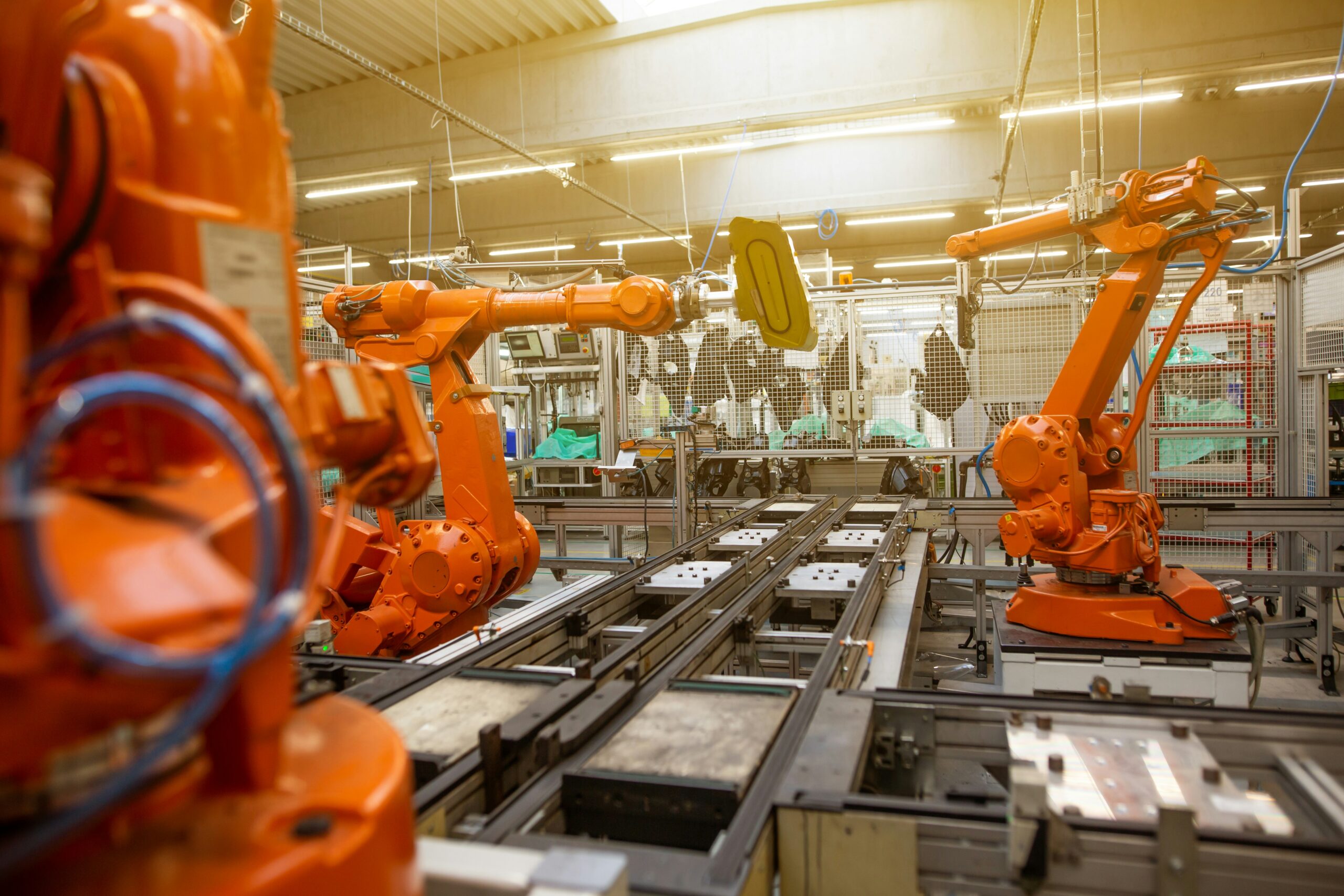
Manufacturing has historically been one of the most effective pathways to economic transformation, from China’s recent resurgence to economic prosperity by becoming the world’s factory in the early 2000s and then transitioning into more advanced technology, to the UK and US in the 1700s and 1800s respectively. This field examines industrialization, export industries, value addition, productivity, industrial competitiveness, and the development of higher-value economic activity.
Logistics
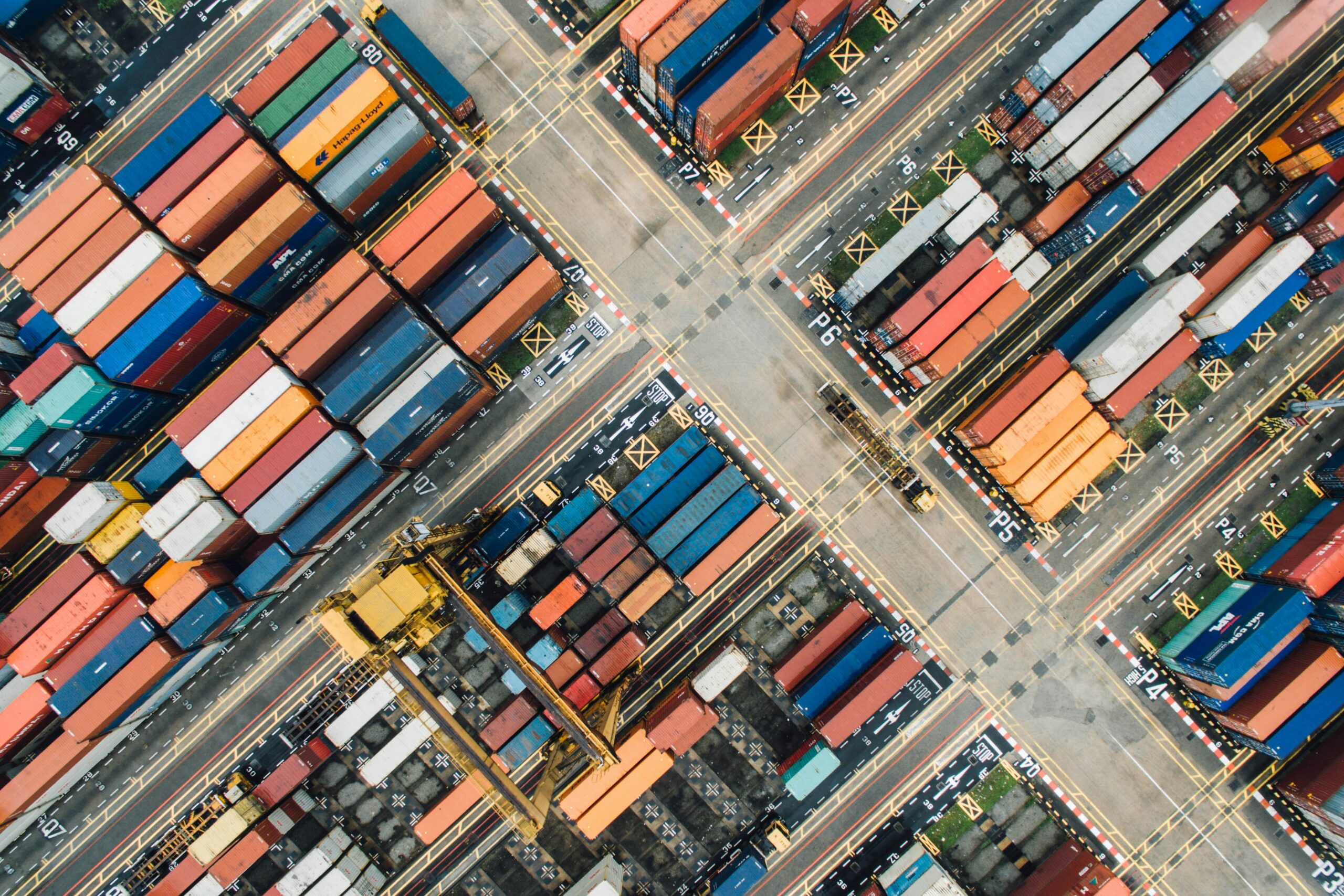
Efficient logistics systems connect producers, consumers, and international markets: from the creation of the American Interstate Highway System in the 1950s slashing domestic shipping times and costs, to China’s Belt and Road Initiative (BRI) developing ports and railways across the world to lower international shipping times and costs in the long term. This field explores transportation networks, freight infrastructure, supply chains, trade facilitation, and the role of logistics in supporting growth.
Urban Development
Cities play a central role in economic activity and innovation. South Korea, as an example of the importance of urban planning, was primarily agrarian for most of its history but with the end of the Korean War in 1953, the government intentionally focused on urbanization to create the highly specialized and educated workforce that propelled the economy from one of the world’s smallest to the 13th largest, with the Seoul Capital Area accounting for 50% of today’s GDP. This field examines urbanization, housing, transportation, public spaces, and the development of productive and livable urban environments.

Energy
Reliable and affordable energy supports every sector of the economy, evident by why some countries were able to industrialize and some weren’t. As a success story of industrialization due to reliable energy, Vietnam for example was able to position itself as a manufacturing hub alternative to China by focusing heavily on providing stable energy at low costs, bringing in billions in foreign direct investment and lifting over 45 million people from poverty over the last three decades. This field will explore electricity generation, energy security, infrastructure, market design, emerging technologies, and the relationship between energy systems and economic development.